

Emergency plumber in Miami, 24/7, from Brickell towers to Little Havana bungalows.
A cracked riser twelve floors up in Edgewater and a collapsed cast-iron drain under a Little Havana bungalow both flood a home fast, but they do not get fixed the same way. We send plumbers who work condo towers and older houses across Miami-Dade County without missing a step.
Cast iron, cast into the slab, and out of time
Miami has the oldest housing stock of any city we cover. In ZIP 33145 — Shenandoah, The Roads, Silver Bluff — the median build year is 1961, and the single largest block of homes went up in the 1940s: 2,793 units, with another 2,291 built before 1939. In 33135, Little Havana and West Flagler, the median is 1960 and the 1950s alone account for 3,422 units. In 33125 the 1950s peak is 4,620.
Practically every home in Miami-Dade built before roughly 1972 to 1975 has its drain lines cast in iron and buried in the slab. Fifty years on those lines are at the end of their service life: they corrode from the inside out, the bottom wall thins until it cracks with jagged edges that catch paper and waste, and you get repeat clogs and root intrusion at every fissure. In the oldest pockets — Shenandoah, The Roads, Coral Way and pre-1950s Little Havana — the supply side adds galvanized service line that closes up with internal rust and drags your pressure down with it.
Polybutylene barely touches these neighborhoods. The PB window ran 1978 to 1997 and Miami was already built out before 1978, so the grey pipe that dominates west Broward is a footnote here. PVC and CPVC show up only in new construction and in post-1990s remodels.
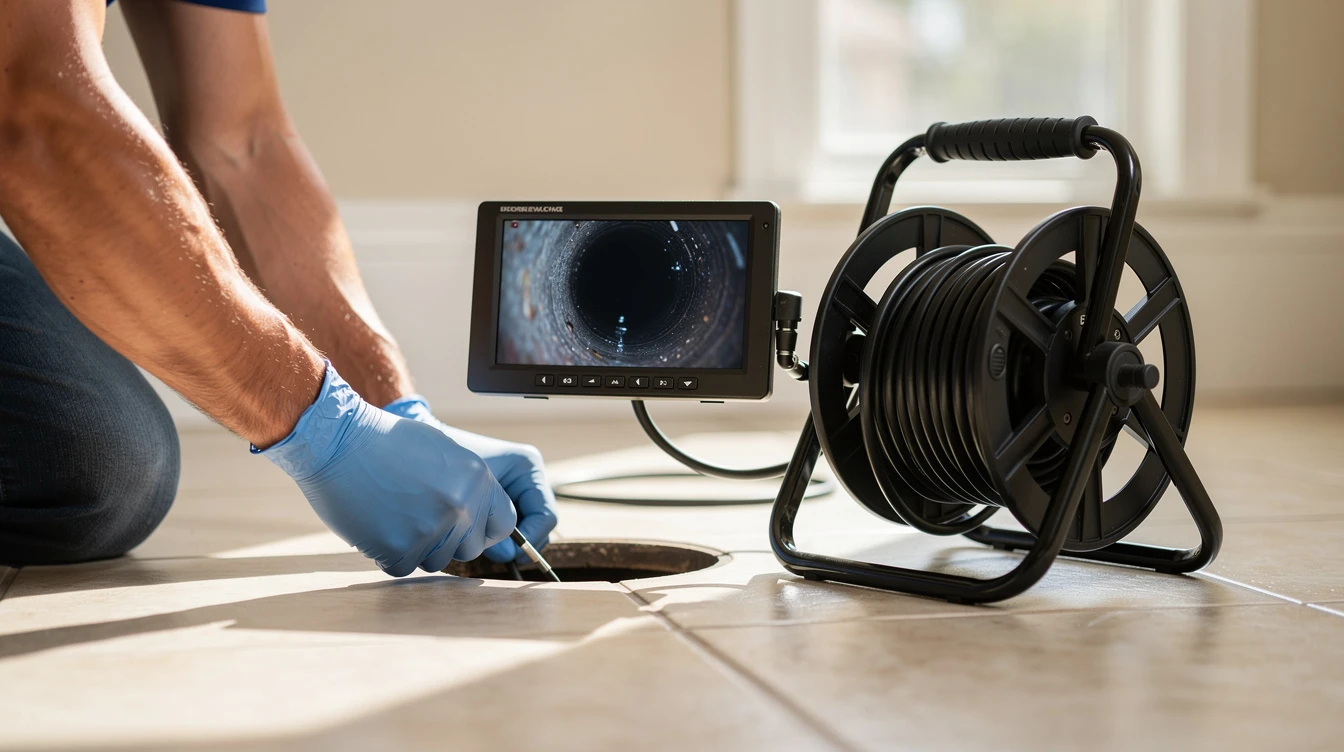
The ground changes the diagnosis too. Miami sits on the oolitic limestone of the Miami Limestone formation with the water table only inches below the surface. There are no basements here, everything is slab on grade, so a leak under the slab does not pool: it drains straight into porous rock. That is why the water bill is usually the only warning you get, and why we scope the line on camera before anyone quotes a number.
Book a camera inspection(754) 304-0006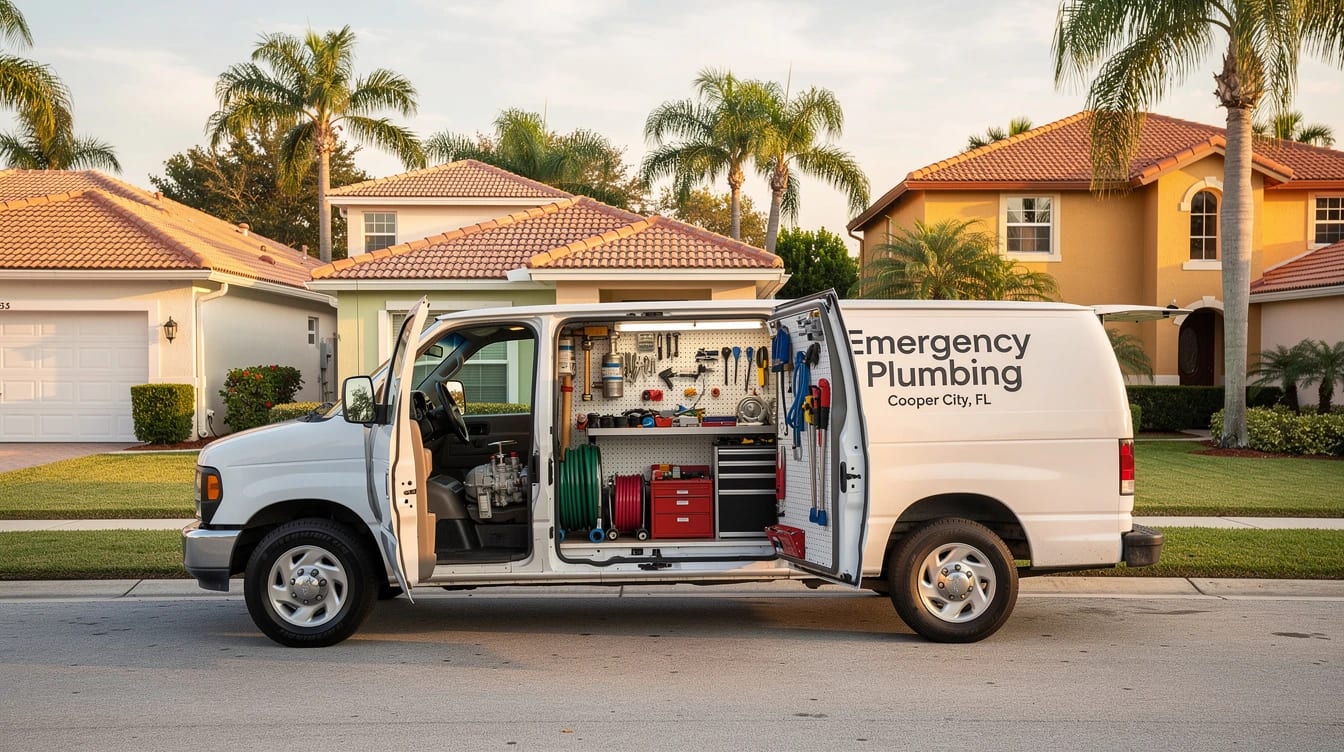
Three very different Miamis, three different repairs
Ask ten Miami residents what a plumbing emergency looks like and you will get ten answers, because the housing stock itself is split into distinct worlds. Glass towers along the bay, low bungalows a few blocks inland, and rows of older apartment buildings in between all fail in their own particular way, and a fix that works in one setting can make things worse in another.
Condo towers in Downtown and Edgewater
A single failed valve can send water dropping through several units before anyone notices the source. We work with property managers to trace the exact riser and isolate that one stack, so the tower stays open and the units below stay dry while the repair happens.
Bungalows in Little Havana and Coconut Grove
Decades-old bungalows and mid-century homes still on their original supply lines. Slab leaks tend to hide behind a rising water bill or a warm patch of tile long before anyone spots the problem visually. Locating them takes electronic leak-detection gear and knowledge of how these homes were plumbed the first time around, not a slab cut on a hunch.
Shared stacks in Allapattah and Little Haiti
Older multifamily buildings, many still running shared drain stacks. A clog in one unit's line can back up into several others at once, and clearing it right means finding the shared line without disturbing tenants who are not affected. Where the work touches structure or building systems, we pull the correct permit through the City of Miami.
Everything we run calls for in Miami
Emergency plumbing
Around-the-clock response for bursts and floods, from Brickell towers to Coconut Grove homes.
See emergency service →Cast iron pipe replacement
Swapping out original cast-iron drain lines in Miami's older homes and multifamily buildings.
See cast iron work →Drain cleaning
Clearing single-unit and shared-stack clogs without knocking a whole building offline.
See drain cleaning →Leak detection
Locating slab and in-wall leaks in Coconut Grove and Little Havana homes without guesswork.
See leak detection →Sewer line service
Diagnosis and repair for aging sewer lines under Allapattah multifamily buildings and area homes.
See sewer line work →Whole-home repiping
Replacing tired supply lines in mid-century single-family homes and older shared-stack buildings.
See repiping →Trucks come south from the Davie yard every day
Miami work is dispatched from the same yard as everything else we do, so the crew that scopes a cast iron line in Shenandoah on Tuesday is on a Broward job on Wednesday. If your address is not on this list, call anyway. The line is answered around the clock.
Water going where it shouldn't in Miami?
A soaked ceiling below a condo unit and a soggy patch of yard over a broken line both need a plumber now, not a callback tomorrow. We will send someone licensed to your address, handle the building or permit paperwork that comes with it, and tell you plainly what is wrong before any work starts.
Call now · 24/7(754) 304-0006Licensed & insured · FL CFC1433655 · Serving Miami & Miami-Dade County. Water actively flooding? Skip the form and call.